In my last blog post I explained how I think most developers don’t need to worry as much about AI cloning. For the most part the first game to release a demo will smother out the fast-follow clones. Steam is very winner take all. In my last blog post I showed that the first quality game to market is more likely to get all the attention and sales:
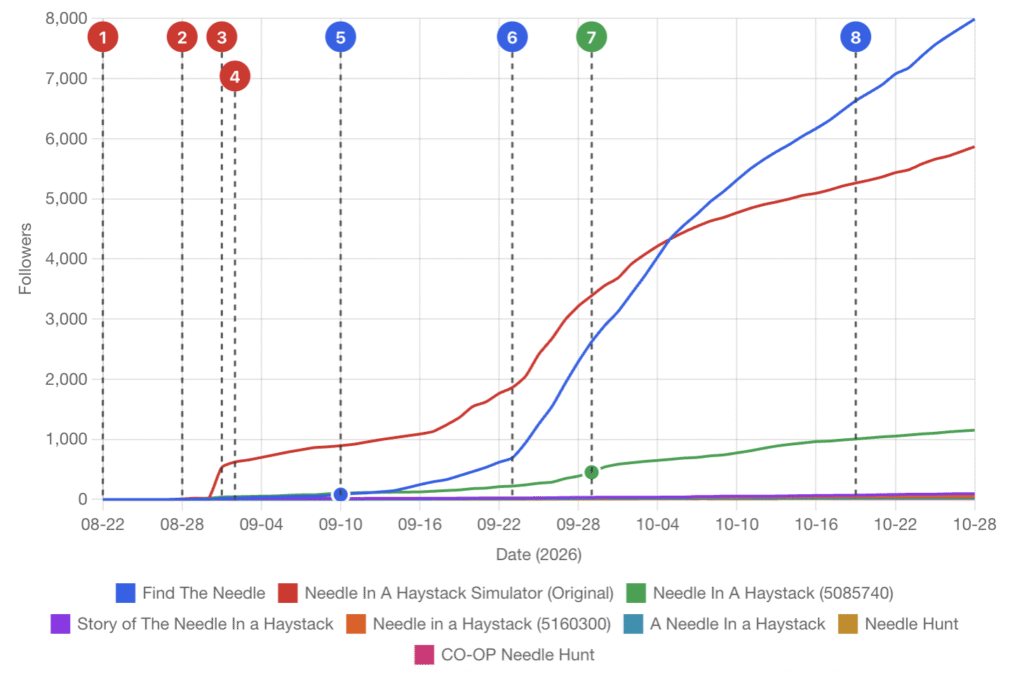
Based on this, I still think the marketing strategy hasn’t changed: get your Steam page up early, 6 months minimum on Steam, release a demo, do Steam Next Fest, get into Steam’s Personal Calendar, release with as many wishlists as possible.
However there are some games that are more susceptible to getting cloned and beat to market. In that case I wouldn’t change much in the marketing of your game except that you should be ready to react and launch a demo if clones start appearing.
Disclaimer: Many people have misinterpreted the advice I am about to give as “blaming the victim” or “gatekeeping what games to make.” Valve’s Tom Giardino caught stray criticism by giving advice similar to what I am about to say.
I am not saying you shouldn’t make these games that are “likely victims of cloning”. You can make whatever you want. I will cheer you on. Please don’t stop making your game! I don’t blame you! All I am saying is if you are making a game that falls into one of these categories, stay quiet and don’t start marketing until you have a backup plan if cloners arrive. Your best protection is to have a demo locked and loaded (but not fired) so you can react if an AI cloner catches you in a standoff.
I firmly believe that the first game to get a QUALITY demo out will be the winner and all other games will be called “clones.”
So if your game MIGHT fall under one of these conditions, play it quiet and get that demo ready before you say anything.
4 Types of games that are more likely to be vulnerable to AI cloning
#1 The game is built upon a high concept player fantasy with a bit of humor or horror aka “Gimmick”
In my previous blog I called this a “gimmick.” Basically a Gimmick is a single clever mechanic that sells people on your game. It might even make them laugh. However, one downside is once they experience that “gimmick” they are satisfied and they don’t have to buy your game and that gimmick can be quickly recreated by an AI cloner pretty easily. It is like a magic trick or a joke. You see it or hear it once and you know what it is so you are satisfied.
The best example I can think of a “gimmick-first” game is Don’t Scream which was made by Twitter genius Indie Game Joe. The “Gimmick” is you hook up a microphone while you play and if you scream in real life, you die in the game. Funny. Great idea. But once experienced, there isn’t much variation on that one mechanic.
Wisely, Indie Game Joe knew this game was built on a gimmick and released the game without a demo. Because, rightfully, players would be satisfied if they could play a free version of it. So his marketing plan was: put out a viral trailer, spend just 2 weeks marketing the game, release. That is the right call for this type of game (and this was years before AI cloning.)
BUT DON’T CONFUSE GIMMICKS AND HOOKS.
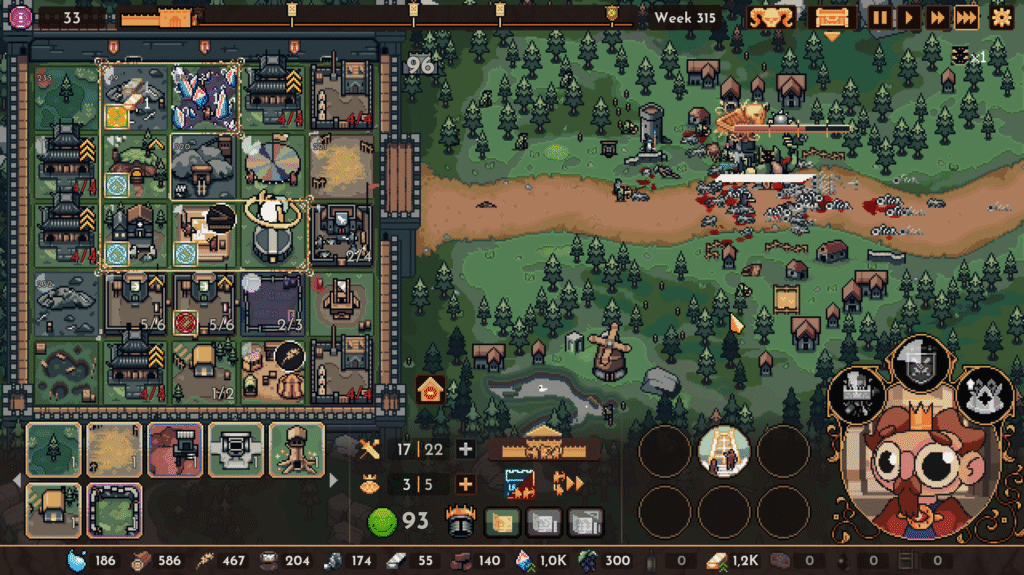
A “gimmick” is different than a “hook.” Very few games are built on gimmicks. Most successful games don’t have “gimmicks”, they have hooks. For instance The King is Watching is a successful game where the hook is “a city-builder-tower-defense strategy game where the city’s buildings only work when the king is “looking” at them.”
It is a deep, fun game. The hook is a neat idea. But it isn’t one of those WOW viral ideas that will make you go viral on TikTok based on the premise. A “hook” is more complex than a simple gimmick. Gimmicks are like sugary-drinks that please at first taste and hooks are a complex wine that unfolds as you slowly taste it. The hook only comes into full view after you spend hours exploring the complex interplay of various gameplay mechanics.
The King is Watching did amazingly well. A game can be successful without a gimmick. A game like The King is Watching could survive getting cloned and by releasing a demo because there are so many systems that aren’t apparent just from the screenshots or the hook.
If this is your first game it is probably hard to distinguish between a “hook” and a “gimmick” but like wine appreciation, it takes time to develop your palate to be able to distinguish them. Study more games, release more games.
Examples of fun “gimmicks” that would be in danger of clones today:
- Squirrel With A Gun
- Choo Choo Charles, Lunch Lady (most character based horror)
- Goat Simulator
- Don’t Scream
- Untitled Goose Game (although I think there were so many jokes deep in this game that it could survive clones)
#2 The art is not a differentiating feature
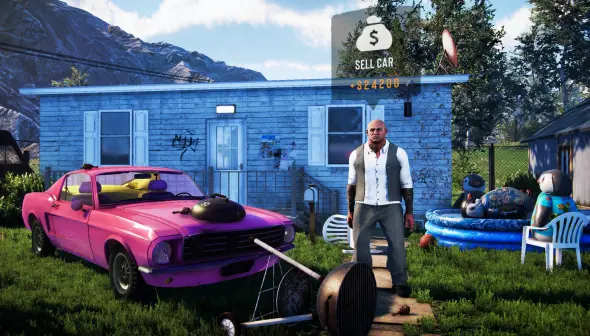
It’s easier to clone a game when the visual identity is “neutral.” I am not criticizing the art of any games mentioned here. For example: the simulation genre is notorious for having pretty basic art direction but great sales. For the typical simulation game on Steam, the in-game NPCs look like mannequins. It is “realistic.” Nothing is really stylized. The art is not the star of the show for these types of games, the actions you take are. For instance here is a typical Playway Simulation game:
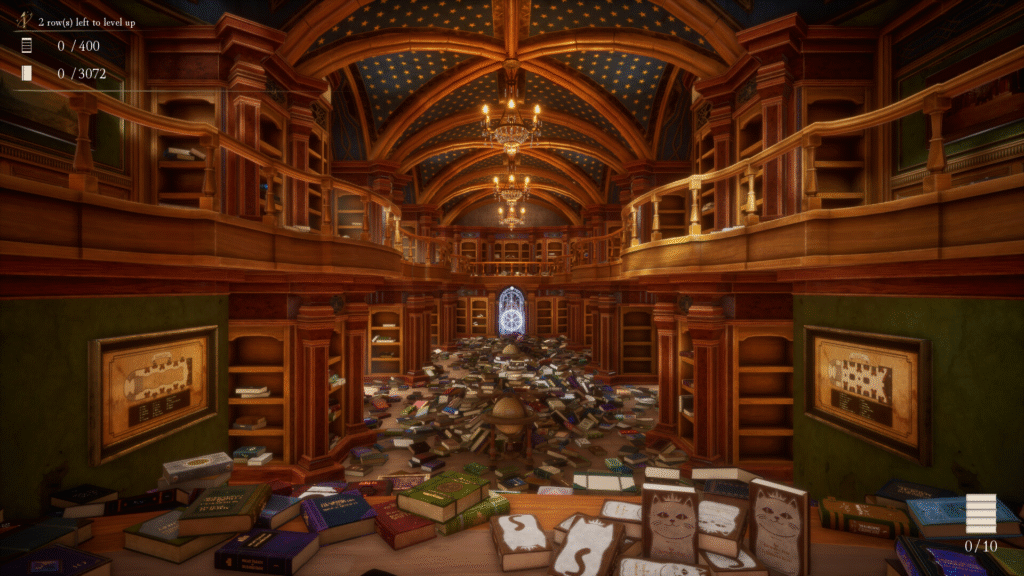
The cleanup genre is also vulnerable to AI-cloners because often the art style slots into a defined genre. Librarian: Tidy Up the Arcane Library is one such game. The game looks great. But a well trod, fantasy gothic art style can easily be cloned. It just looks “realistic.”
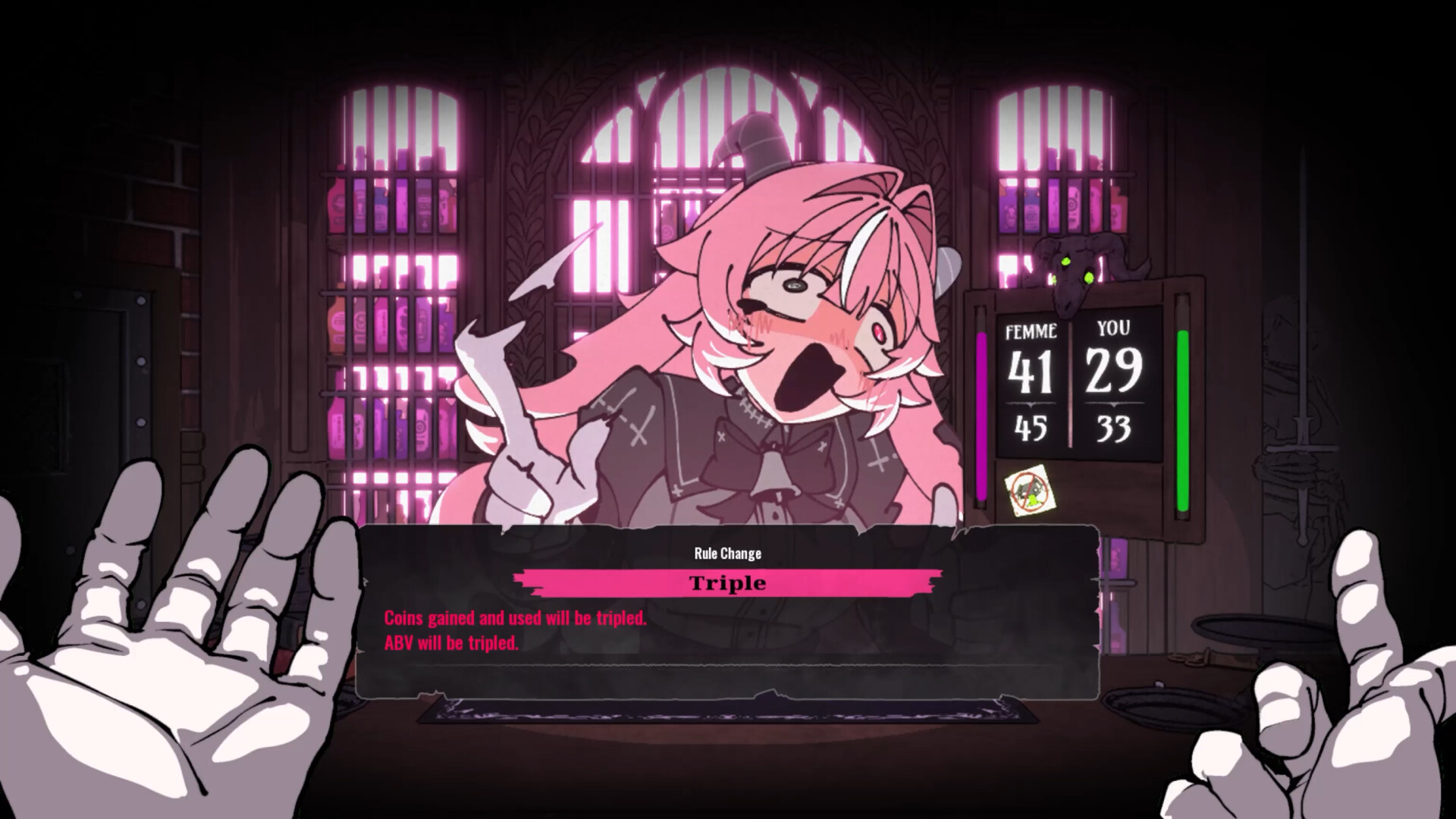
Contrast this with Drunken Goddess Reflux. This game features a unique stylistic mix of 2D cel-shaded anime, 3D backgrounds, bold color palettes, and expressive characters.
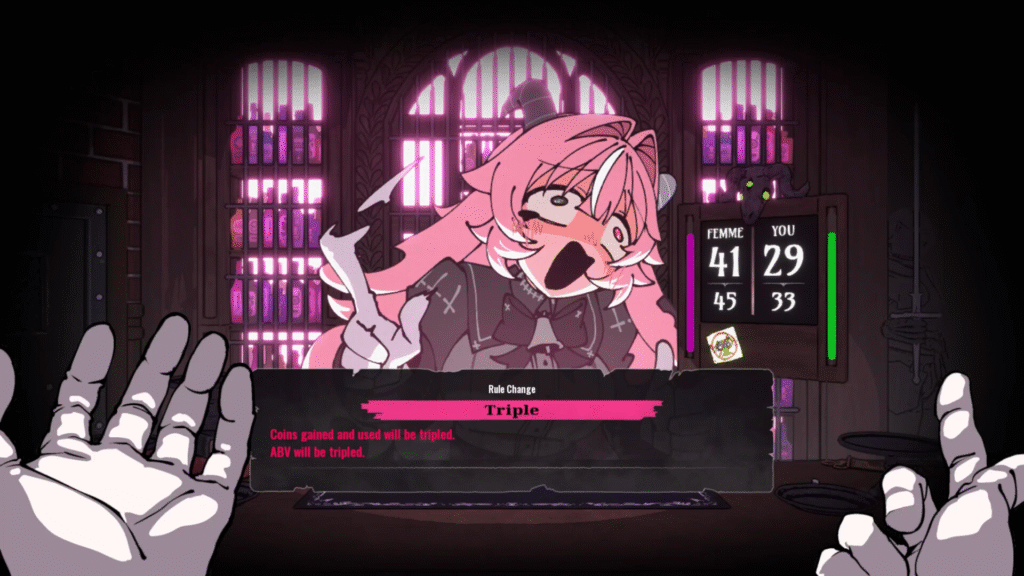
Drunken Goddess Reflux got free publicity by boldly canceling the release of their Demo for fear of AI Cloners. I don’t think they should worry about being cloned because their art direction is so unique and bold. A cloner can’t pass off something this unique looking as a “coincidence.”
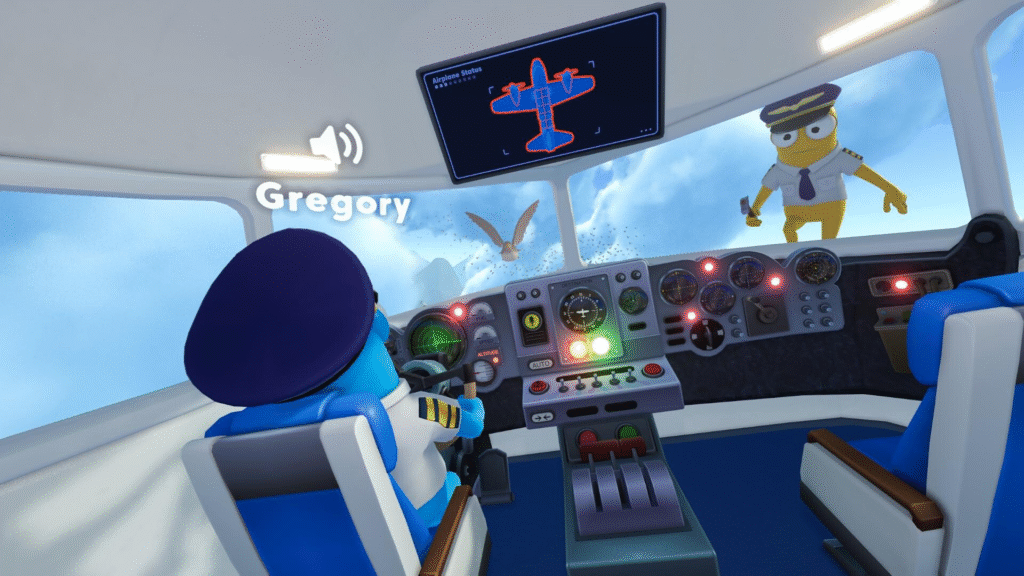
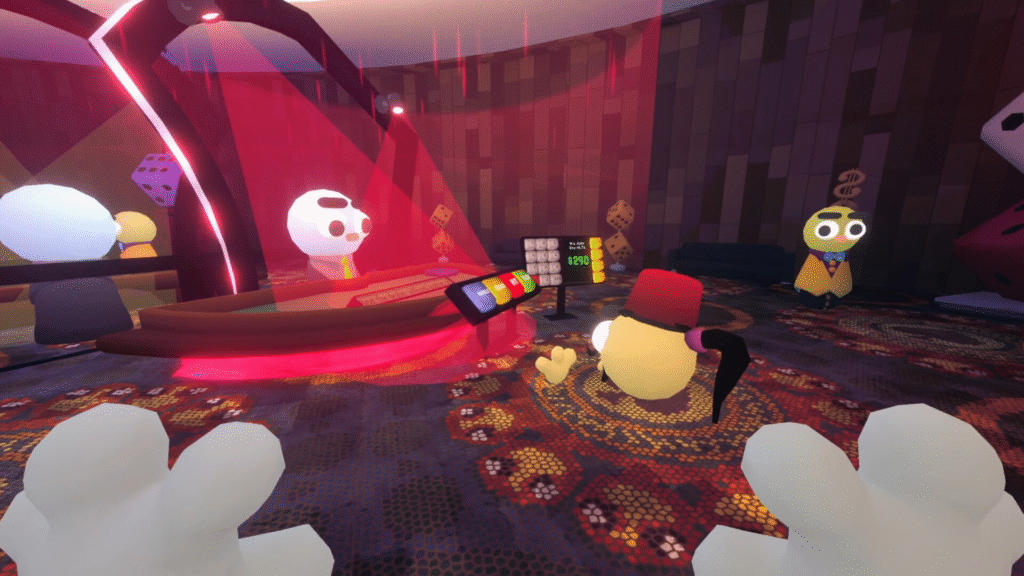
Some games that were once stylized become the default art style. The best example of this is Friendslop. At one point Peak’s characters were a signature look of the game. But subsequent games in the genre have established colorful but flat shaded, googly-eyed, muppets as the genre convention.
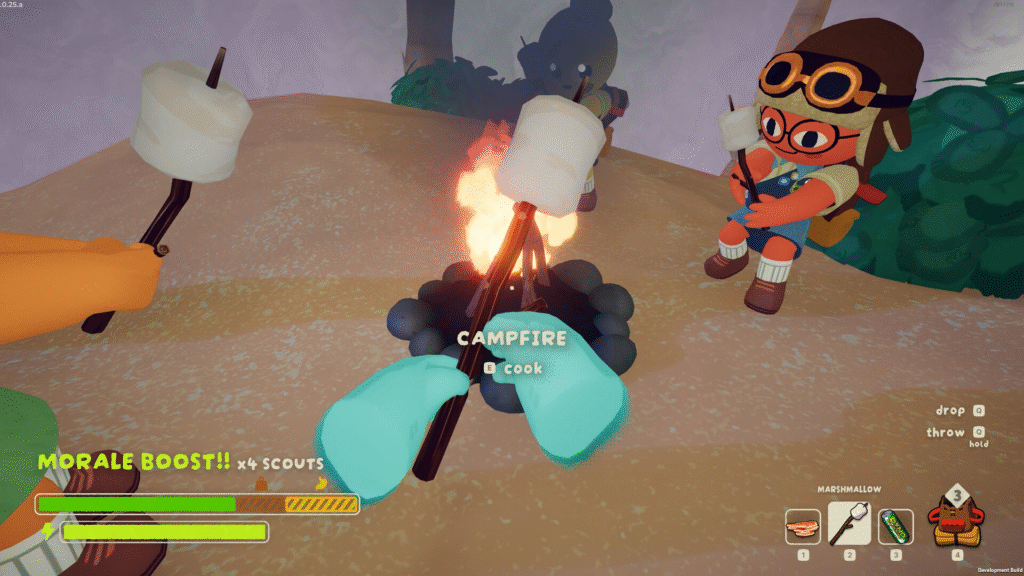
Look at these examples from Friendslop games Dear Passengers and Gamble with Your Friends which have picked up and expanded upon the typical friendslop identity. This is not a criticism. I think it is a wise marketing move to lean into genre conventions so shoppers can identify the genre at a glance.
#3 Design is well within a well established genre
(This is not a criticism) If a game follows genre conventions, players know what to expect from it. In fact they find comfort in it. For instance, if you see an idle game you know that there will probably be a 2x, 3x, 4x damage and earnings multiplier, magnet with an expanding sphere of attraction, chain lightning, prestige system, and numbers are going to get huge by the end.
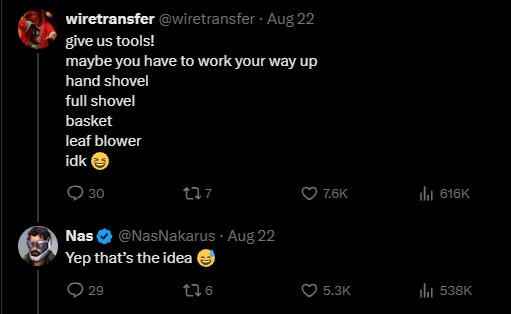
Needle in a Haystack Simulator falls into the 3D incremental + simulation genre + “tidy up”. I think A Game About Digging a Hole was the first I saw in this genre. If you scroll down into the comments of the original Haystack tweet fans instantly knew what genre the game is and how it would play. They aren’t criticizing; they were actually excited about it. The developer confirmed their suspicions were very accurate:
Well worn genres are easier to clone because you are mixing and matching setting and existing known gameplay pieces. Players love that, but it does make you vulnerable to cloners.
#4 The content is “systematic” not hand crafted
I recommend indies to focus on “crafty-buildy-simulational-strategy” games because the content players experience emerges from the systems not from hand-created content that is expensive for small indie teams to make. Crafty-buildy is in opposition to linear, narrative, experiences that are more popular in AAA games like Assassin’s Creed, Marvel’s Wolverine, and Ico.
But a game like Needle In A Haystack Simulator has a clear systematic end state like “use tools and you win when you get the needle” it is more vulnerable to cloners.
Crafty-buildy games are more likely to get cloned than linear narrative games. But don’t interpret this as “don’t make crafty-buildy games anymore.” I still think they are the types of games that Steam players like and can be made by small teams. However, crafty-buildy games do make it easier to clone since the “content” is usually the numbers in the meta layer arranged in various ways.
Back to Drunken Goddess Reflux. Another strength of this game that makes it more clone-immune is that one of the hooks is “The drunker you get, the wilder the game.”
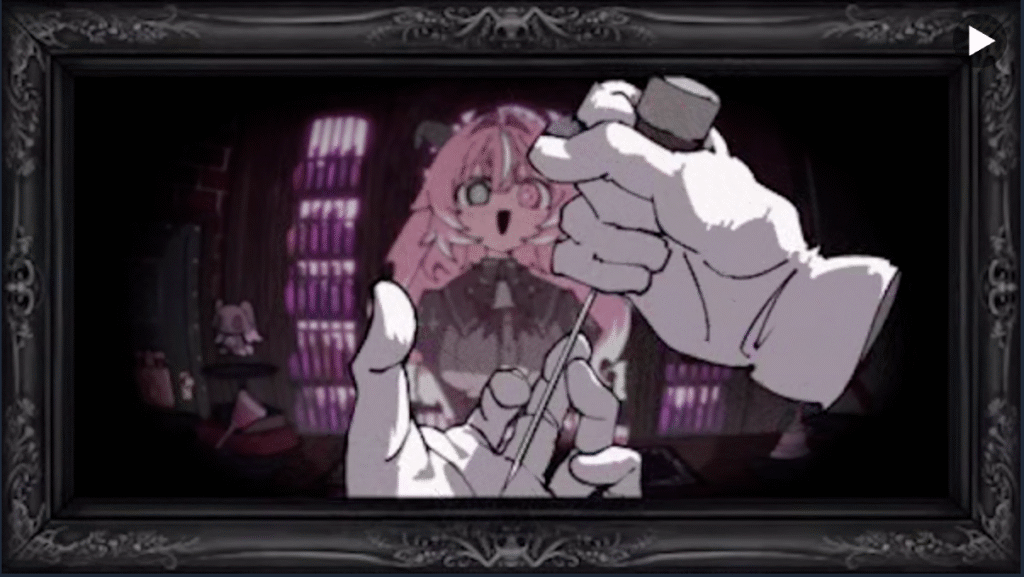
Weird and unexpected things make your game clone-immune. This is a crafty buildy deck builder game but emergent weirdness is baked into the design and that rests on the shoulders of the creative game designers. A cloner can’t clone what can’t be experienced until you play the game. This is different from games that live in existing genre tropes.
Similarly, the most-buildy-crafty game ever made is Dwarf Fortress. The fun is driven by a deep simulation of a fictional world.
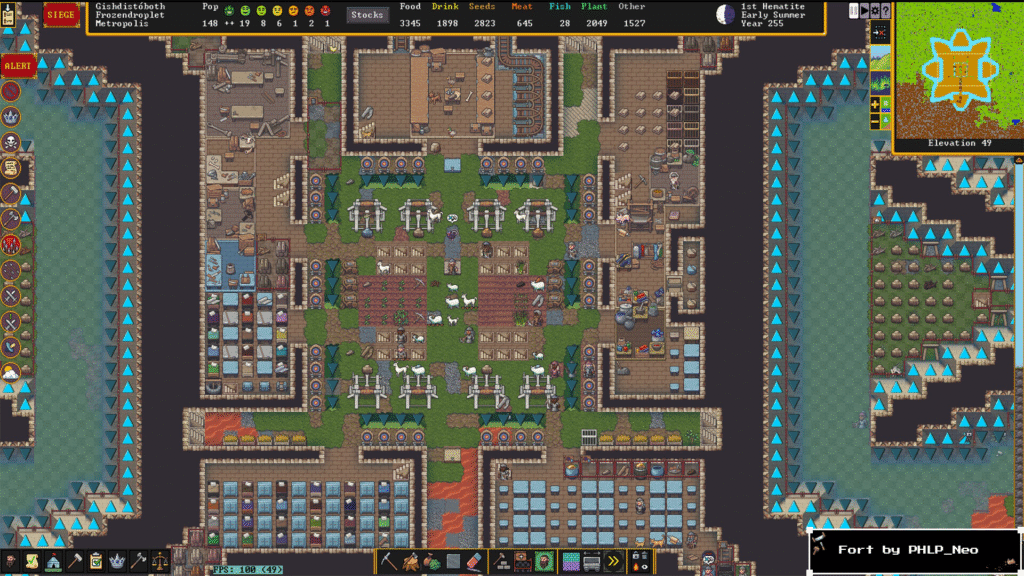
This game would be impossible to clone from just screenshots and a description of the hook because there are very creative decisions made deep within the game systems like the cats that get drunk licking their feet after walking through puddles of beer. So just because a game is systems-driven doesn’t mean that it will be easily cloned. But if the simulation is simplistic and only skin deep a clone can replicate it more easily.
Maybe Needle In A Haystack Simulator needs to add an emergent, hidden, eldritch horror angle that blindsides players who thought they knew what they were getting since Find The Needle launched before them. Free idea.
Please, don’t make bad marketing decisions because you are scared
In the weeks since the Haystack clone debacle I get emails every day from developers who are shadow dropping, hiding their game, canceling their demo, and quitting game dev because they are scared. Don’t do that.
Remember Banana?
In January 2024 the internet went nuts because a game where you click a BANANA took over Steam. Indie devs freaked out about the banana game (partly because it also stood in for NFT and web 3.0 debate.)
There was a whole hype cycle where we talked about this simple free game. One of these videos said it “broke Steam.”
After the success of BANANA, cloners started doing a fast follow with Egg, Burger, and Dollar. None of them succeeded.
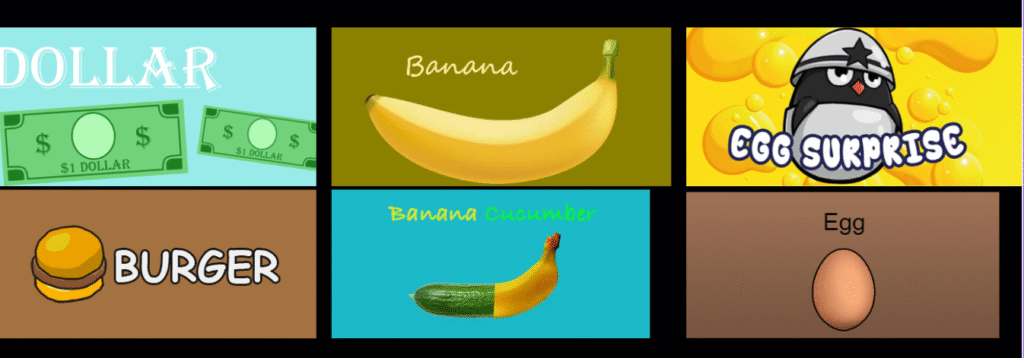
Nobody is making one-word food games anymore because that panic stopped.
Every year or two something so stupid but so genius takes off. It is the simplest idea with the simplest concept. And every year indies freak out.
Please don’t freak out.