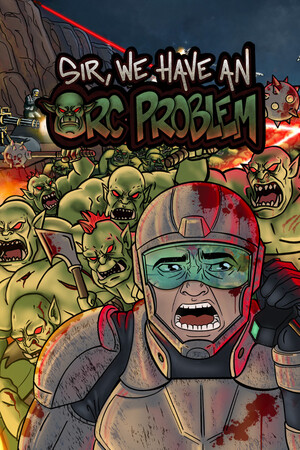
Valve just revealed their Best sellers list for July 2026
The amazing thing is how many of the featured games were made by small teams who made games smaller and faster. July was full of “great conjunction games.”
I know they were small because I have been following three of the developers for a while and by happenstance they released their games back to back to back:
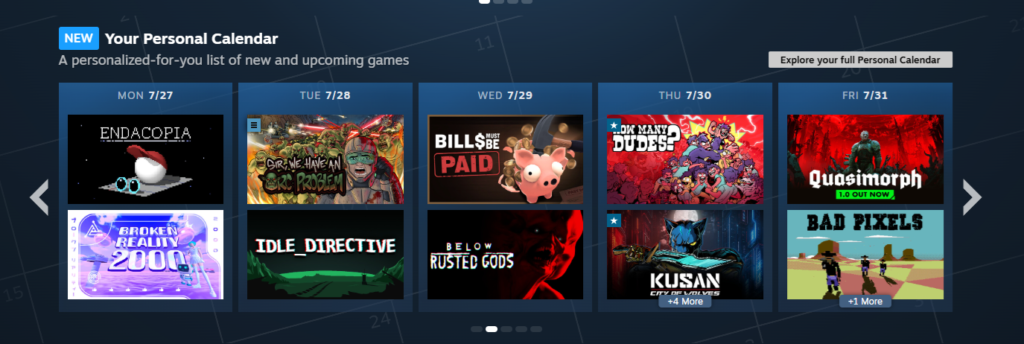
3 games; same week, same thing in common: small teams, all developed quickly, all best sellers
So instead of publishing 1 blog post this week, I am doing 3. Each one dedicated to one of these three games that launched at the end of July. It is my attempt to check in on whether the rapid release games are still viable after my “golden age” post from almost a year ago.
I want to inspire you. I want you to know that it is possible to make smaller games, in “chaseable genres”, and I want to prove that they can be incredibly fun, interesting, unique, non-slop, that is not in any way a “cash grab.”
Sir, We Have an Orc Problem
Let’s look at our first one this week: Sir, We Have an Orc Problem.
- Team size: 2 developers (I spoke with Laurin Co-Founder of Mumpitz Games)
- Dev time: A bit more than 4 months (that’s not a typo)
- Genre: Incremental + Tower Defense
- Paid marketing: $200 for Best Indie Games Summer
- Benchmarks (overall assessment: 💎tier ranking on several metrics)
- Wishlists at Page Announce (2 weeks): 3000 wishlists 🥇
- Wishlists at Launch: 150,000 💎
- Demo median play time: 1 Hour 26 Minutes💎
Sales wins:
- Earned $361,657 in the first 24 hours 💎 (Tweet about it)
- Sold 200,000 units in the first 20 days. 💎
- Reached “Silver Tier” in the Steam July 2026 sales ranking
Another amazing fact: Orc Problem boldly launched on the same day as Halo: Campaign Evolved. Interestingly, both capsules feature a soldier in combat armor. Risky, bold, and the people behind Orc Problem didn’t die. They did great!
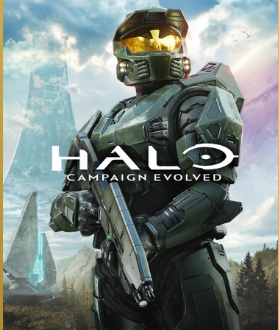
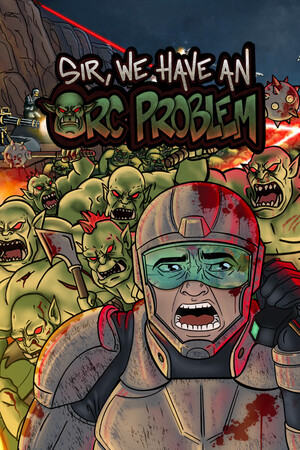
Did the team know they picked the same date as Halo?
“[Yes, we picked it] on purpose. How Many Dudes? And Bills Must Be Paid looked like more “competition” to us. And we also didn’t want to take visibility away from their launch“
Laurin of Mumpitz Games
Background:
Orc Problem isn’t Mumpitz’s first game. They found work porting PC games to mobile for several years. In 2025 they released their first standalone game: Tiny Auto Knights (TAK). TAK looks like the type of game that would do well on Steam, but it only earned about 200 reviews after almost 2 years of work.
[Sir, We Have an Orc Problem] was intended to be a quick game after we decided that spending 1.5 years on the last project (Tiny Auto Knights) wasn’t worth the risk. You never know with Steam what game will take off.
The Mumpitz studio is built around making small quick games.
“With $150K+ revenue you can sustain a small team (1-3 persons) doing small to mid size games (< 1 year dev time), with $10K not so much. It’s also a different mindset of doing games if you’re aiming to do those low- to mid-tier games instead of hoping to have that million dollar hit and never have to work again. I really liked the “Missing Middle” blog post and it was one of the biggest motivations for me to start my own indie studio.”
Laurin of Mumpitz Games
The team “Chased the Trend” of Incremental Tower Defense games. I joke because I really hate the term “Chasing Trends” when there are better words such as “being inspired” or “seeing what players enjoy and giving them more of it” or “sensing that the design space is deeper and unexplored by other games.”
“Our main inspiration was Outhold, an incremental tower defense game. It’s great, play it! We thought that maybe we could just increase the enemy count to 10,000 or even 100,000 and add some of our custom physics simulation to it and it should be different enough.”
Laurin of Mumpitz Games (in his excellent Reddit Writeup)
Marketing tactics
In general the marketing relies on having a “good exciting game.” The game determines how successful the marketing will be. Here is how they marketed Orc Problem:
We didn’t choose a specific strategy for marketing. We “just” made a game that excited players. We did the same marketing or even less than for our previous game [Tiny Auto Knights] which collected 13k wishlists in 10 months.
Laurin of Mumpitz Games
The plan
- Shorts/reels/TikToks that got 100K views. Instagram did well too. The game went viral even before they had a Steam Page. People were BEGGING them to create one.
- “I spent all-in-all 10-15mins per day to make videos for TikTok, Instagram and YouTube Shorts, just film your screen or whatever” – Laurin on his editing technique
- When they finally published the Steam page they got 900 wishlists on day 1.
- Their Playtest was picked up by Angry Tom and outperformed his previous videos.
- Steam Next Fest got them 18,000 wishlists. (It was the #41 most played demo of the fest)
More advice from Laurin:
Just put stuff on social media. You don’t decide what’s going to stick. Show whatever you’re working on and keep posting regularly. Especially for short form format you can keep it very basic and simple, don’t overthink and don’t spend too much time editing your videos. Focus on the game and just make regular update videos like you would show your progress to a friend. Keep it personal. You’re an indie after all and don’t have million-dollar marketing department. At least that is working for us.
Here was how Sir We have an Orc Problem went on Steam Next Fest. You could tell even during Next Fest that this would be a hit game: it followed the daily visibility benchmarks for a diamond tier game.
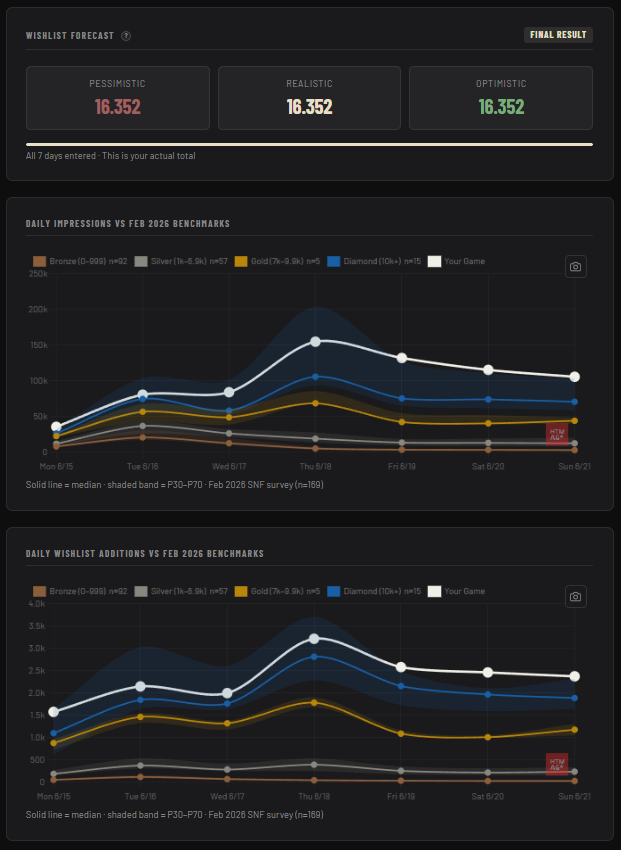
There was definitely some luck involved, but I strongly believe that there is a golden era for indie games right now. There are so many devs that just make a fun little game and somehow it sells exceptionally well. You just have to put your game out (social media, playtests, whatever) and let people see and play it.
Laurin of Mumpitz Games (in his excellent Reddit Writeup)
Analysis
When a game has *The Magic* You know.
If you look at the marketing plan up above you might be saying “we tried shorts and never got 100K views. We did next fest and weren’t one of the top #44 played demos.”
Really it’s the game. Everything is a hockey stick and you can’t convince someone to like something.
If there’s some “magic” to it, you will know immediately. And if there isn’t, you have to decide if you want to finish the game because you personally like it or if you want to move on to something else.
Laurin of Mumpitz Games (in his excellent Reddit Writeup)
There are signs when you have a hit on your hands:
- People demand you release a steam page.
- You earn 150,000 wishlists in 4 months despite posting quickly edited shortform content.
- Steam Next Fest boosts you to the top tier of visibility benchmarks
This is why I publish the stats in howtomarketagame.com/benchmarks
You do not “grind” for wishlists. If the game works, they come so fast, you wonder if this is a trick. The hard part is you have to keep making and releasing games long enough to find a game that has IT. Mumpitz Games’ first attempt Tiny Auto Knights didn’t work. Luckily they still got it out in only 1.5 years and decided to move to an even faster released game.
The faster you can get a game to a place where it is visible the faster you can assess whether it has THE MAGIC.
Chasing trends to find innovation
“Mixing genres” is the default way indies try to innovate. But I think it is way too risky because a genre mix often alienates the fanbase of both genres instead of merging them. Also game development for mixed genres stretches on way too long because indies often have to implement the mechanics from both games they are mixing. You are making two games! Then while tuning the game design, indies spend even more time rehashing the design. They add a feature from Genre A, then remove it because Genre B’s mechanic is better, then realize the original was better and swap back in Genre A. The two genres fight for dominance and you are the one doing all the work to appease them. You also have a hard time figuring out which audience to market to. I wrote a whole blog about why mixing genres is bad.
Please don’t mix genres. Especially for your first game.
Instead, a smarter way to innovate is to do what the Mumpitz Games team did: take a hit game, pick a resource or enemy and increase the value of it by 10,000. Instant hook.
Sir, We Have an Orc Problem started with the proven hit Outhold and gave it 10,000 enemies.
Sometimes when you “Chase a Trend” you outrun the thing you are chasing: Orc Problem has already sold more copies in less than a month than Outhold has in 9 months. Sometimes the student becomes the master.
Think of how well this has worked in the past:
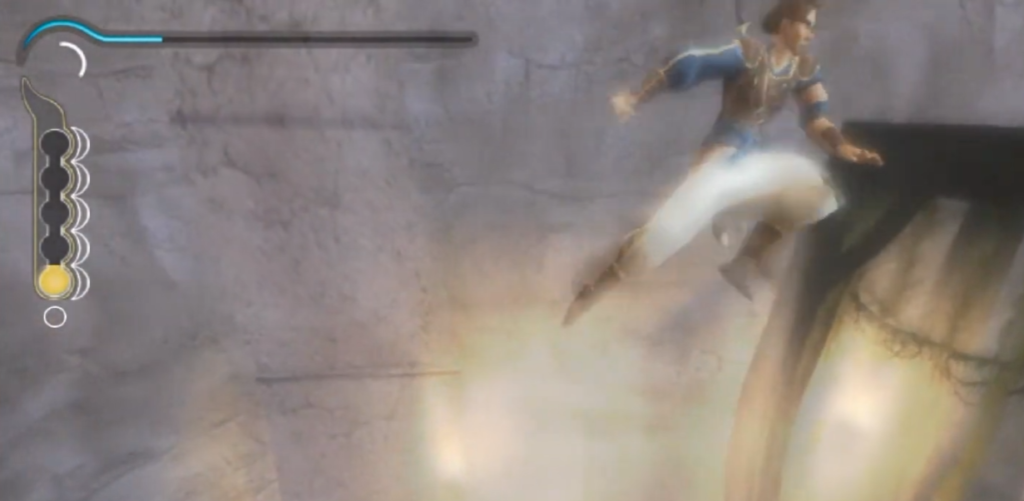
Jonathan Blow said he got the idea for Braid after he played Prince of Persia: The Sands of Time, but wondered what would happen if he made the rewind mechanic an infinite resource.
Minimalist Tower Defense is actually quite maximalists because you can build 100s of towers.
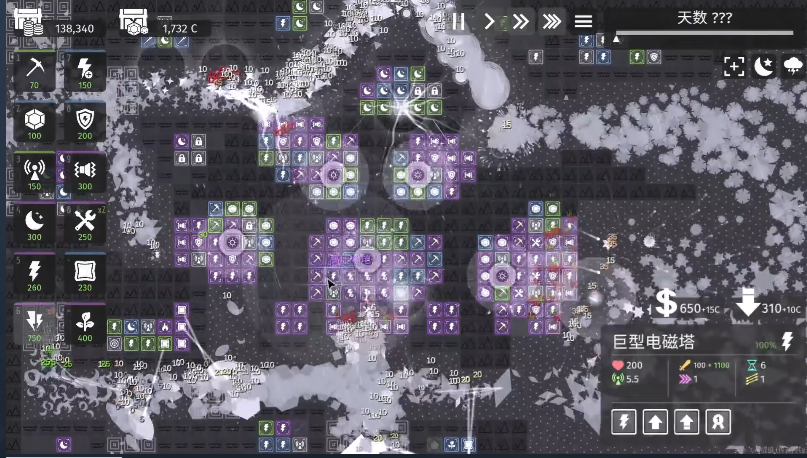
They Are Billions did the same thing as Orc Problem with countless enemies.
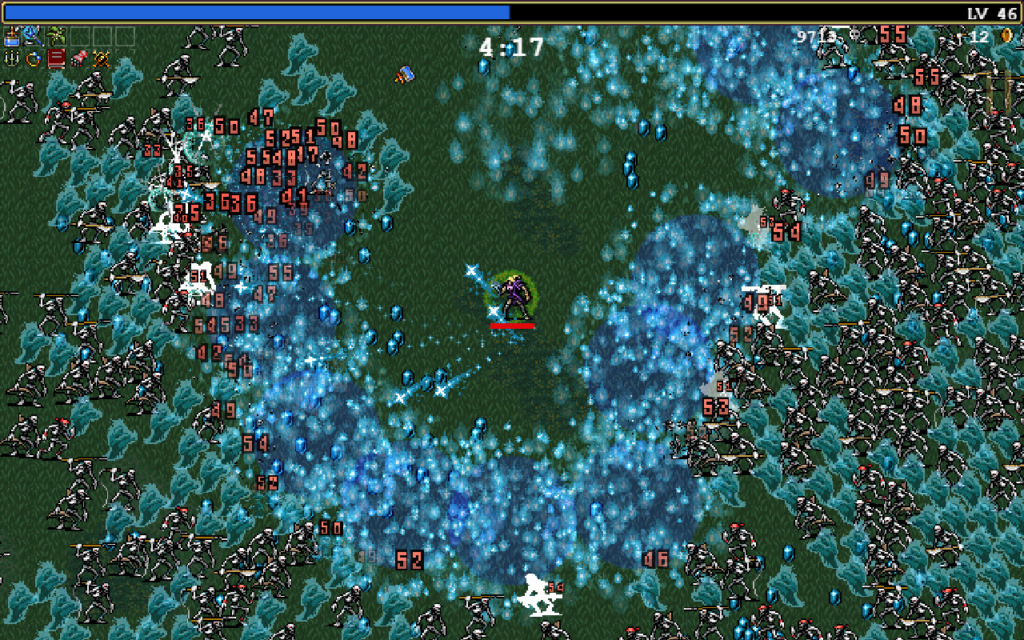
Vampire Survivors is a twin stick shooter but with 1,000 enemies.
What would Unpacking be like with 10,000 items to put away? Oh wait, that is already a hit! See Sort Them Ducks and Librarian: Tidy Up the Arcane Library! and Supermarket Chaos.
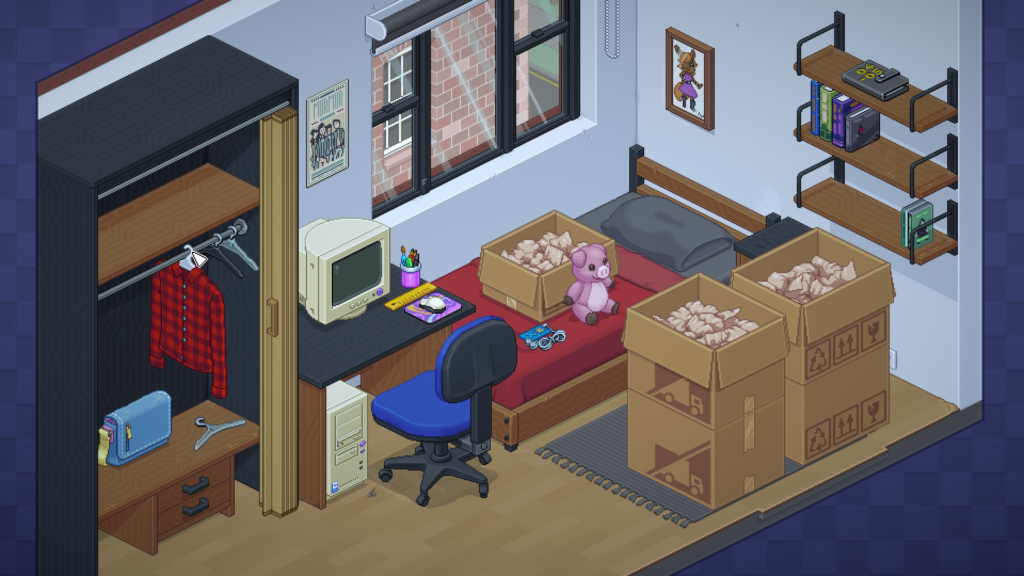
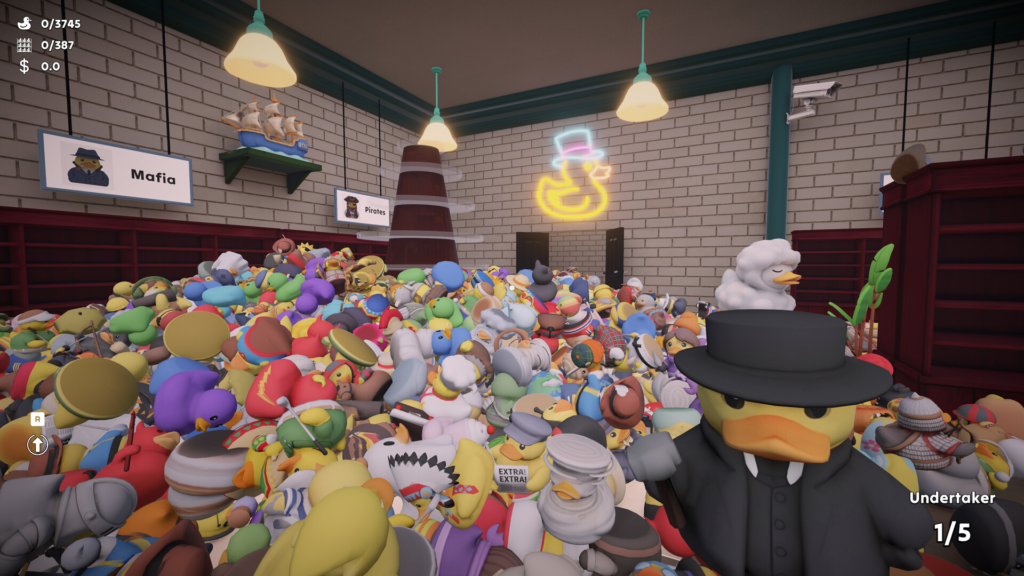
What would Slay the Spire be like with a 1,000-card hand?
A dating sim where you must find a match from 10,000 suitors?
So next time you want to “innovate” please please please don’t mix genres, just multiply something by 1,000 (or 10,000 just to be safe.)